By Sean Casilli
A special assessment rarely appears in a listing, yet it can change what a Panama City Beach condo truly costs. This guide will explain why Florida condo special assessments happen, how they are shared among owners, and where the early signs show up in association records. Make sure you read it before you tour buildings along the Gulf so you can compare more than views and amenities.
Key Takeaways
- Special assessments are one-time charges on top of regular dues.
- Recent Florida laws changed how many associations fund reserves.
- Budgets, minutes, and inspection reports reveal what may be coming.
- Contract language decides who pays when timing overlaps a sale.
What Is a Special Assessment
Regular HOA dues cover the predictable costs of running a building, from landscaping to the electric bill for the pool deck. A special assessment is a separate, one-time charge the association levies when an expense exceeds what the budget and reserves can absorb.
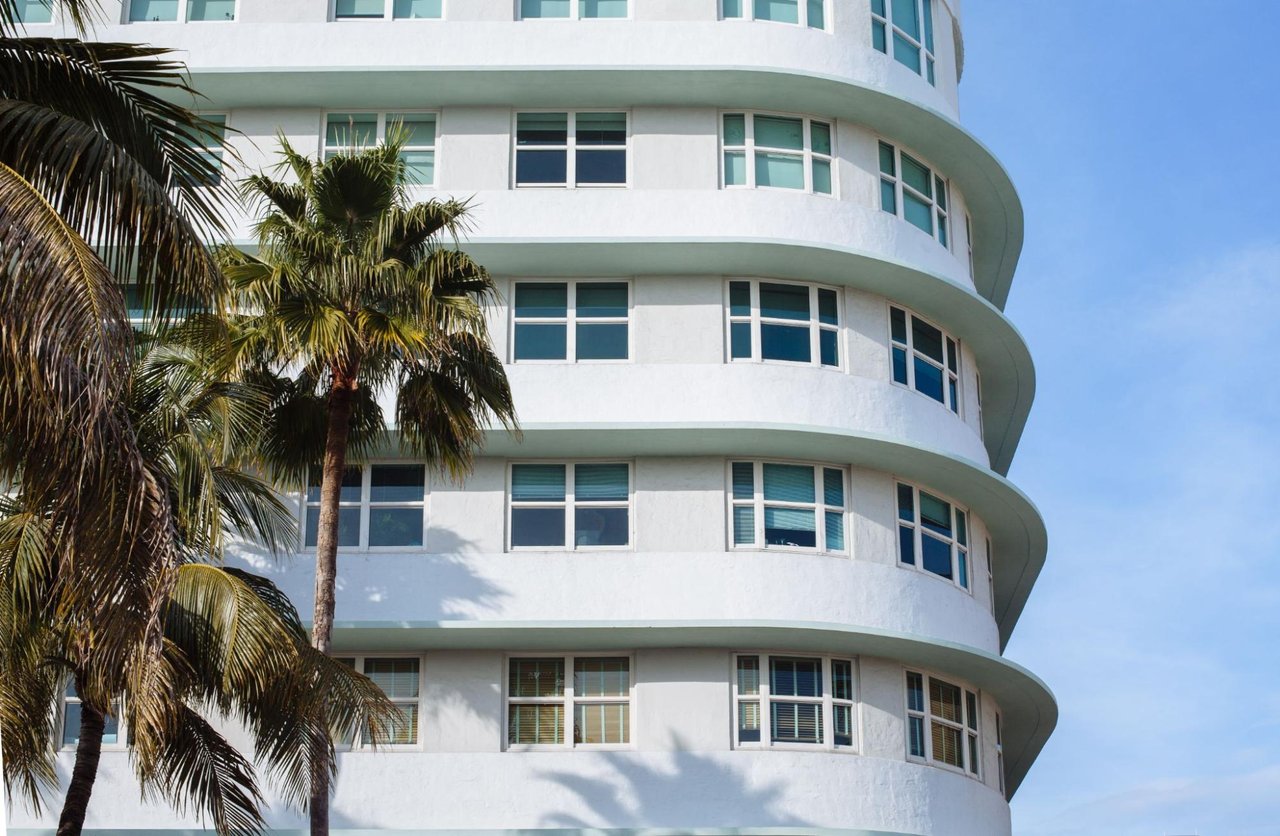
For Gulf-front towers along Front Beach Road, the coastal environment shortens the life of many building components, so major projects are a normal, recurring part of a building's life rather than a rare event.
Common Reasons Associations Levy Assessments
- Storm-related costs: Repairs that exceed insurance proceeds or fall within the master policy's hurricane deductible.
- Concrete and balcony restoration: Spalling repair, railing replacement, and waterproofing on Gulf-facing elevations.
- Major system replacements: Elevators, roofs, chillers, and fire protection equipment reaching the end of service life.
- Reserve shortfalls: Funding gaps uncovered by a new reserve study or inspection.
How Florida's Newer Condo Laws Affect Assessments
After the 2021 Champlain Towers South collapse in Surfside, Florida lawmakers added requirements for structural inspections and reserve planning on many condo buildings. The rules apply to qualifying buildings in Panama City Beach just as they do in the rest of the state.
For buildings that underfunded reserves for years, catching up can mean higher dues, a special assessment, or an association loan.
What the Newer Rules Require
- Structural integrity reserve study: Required for buildings with three or more habitable stories and repeated at least every 10 years.
- Covered components: Roof, structure, fireproofing, plumbing, electrical, waterproofing, and windows and exterior doors.
- Mandatory funding: Owners can no longer vote to waive or reduce reserves for those structural components in current budgets.
- Milestone inspections: Structural inspections required once qualifying buildings reach a set age.
How Assessments Are Divided and Collected
Each owner's share usually follows the ownership percentage in the declaration, so a three-bedroom Gulf-front unit typically carries a larger share than a one-bedroom bay-view unit in the same building. Payment may be due in a lump sum or in installments, depending on the board's decision and the governing documents.
Florida law also requires that notice of a board meeting where a special assessment will be considered state its purpose and estimated cost.
Payment Details Worth Confirming
- Approval process: Check whether the board alone can approve an assessment or whether an owner vote is required.
- Installment history: Ask whether past assessments allowed owners to pay over time.
- Lien rights: Unpaid assessments can become a lien against the unit, which is why title work checks for them.
- Use of funds: Florida law generally limits special assessment funds to the purpose stated when they were approved.
Where to Spot an Assessment Before It Arrives
The clearest clues about future costs sit in association records, not in the lobby or the listing photos. A fresh coat of paint on a Thomas Drive building says little about the condition of its concrete or the size of its reserves.
Requesting these records during due diligence gives you time to ask questions before your deadlines tighten. Minutes from the past year or two are often the most revealing, since they capture discussion before decisions are final.
Records That Reveal What May Be Coming
- Board meeting minutes: Discussions of engineering reports, contractor bids, or funding options often appear months before a vote.
- Current budget: Shows whether reserve contributions match what the reserve study recommends.
- Milestone inspection report: Lists recommended repairs and how urgent they are.
- Estoppel certificate: Confirms dues, any approved assessments, and amounts owed on the unit at closing.
Protecting Yourself in the Purchase Contract
Timing matters when an assessment is approved close to a sale. A buyer who closes on a condo near Pier Park the week after a vote may inherit the bill unless the contract says otherwise.
Clear contract language and the right coverage can turn a potential surprise into a known, budgeted cost. Your closing attorney or title company can help make sure the language matches your intent.
Smart Moves Before You Sign
- Assessment clause: Spell out who pays for assessments approved or proposed before closing.
- Loss assessment coverage: Add or increase this HO-6 coverage to help with storm-related assessments.
- Cash cushion: Set aside funds for one-time building costs in your ownership budget.
- Dues history: Compare several years of dues to see whether increases have been steady or sudden.
FAQs
Can an association charge a special assessment without an owner vote?
It depends on the declaration and bylaws, since many give the board that authority while others require owner approval for certain projects. I'm happy to help you review a building's documents so you know how it works there.
Will I owe an assessment that was approved before I bought?
That depends on your contract and the payment schedule. Make sure the purchase agreement spells out responsibility before you sign.
Does a pending assessment mean I should pass on the building?
Not necessarily. A funded, well-planned project can leave a building in stronger shape, so the key is understanding the scope and the cost.
Reach Out to Sean Casilli Today
Special assessments are easier to evaluate when you have the right records in front of you and time to read them. I'd be glad to help you request association documents, compare buildings, and factor potential costs into your offer.
When you're ready to explore condos along Panama City Beach, reach out to me, Sean Casilli. Let's find a building where the numbers make sense for you.