Pull up RiverCamps on a national portal and the "median list price" reads somewhere near $270,000. That number is real, and it is also almost useless. It reflects the fact that most of what is currently listed inside the gates is dirt, not houses. If you are comparing RiverCamps to a Wild Heron home or a near-beach condo in Panama City Beach, you are not comparing like to like until you sort the lot listings out of the median.
Once you do, a different market appears, and with it a different question: what are you actually paying for inside this fence that you cannot get by buying acreage down the road?
The number that hides the market
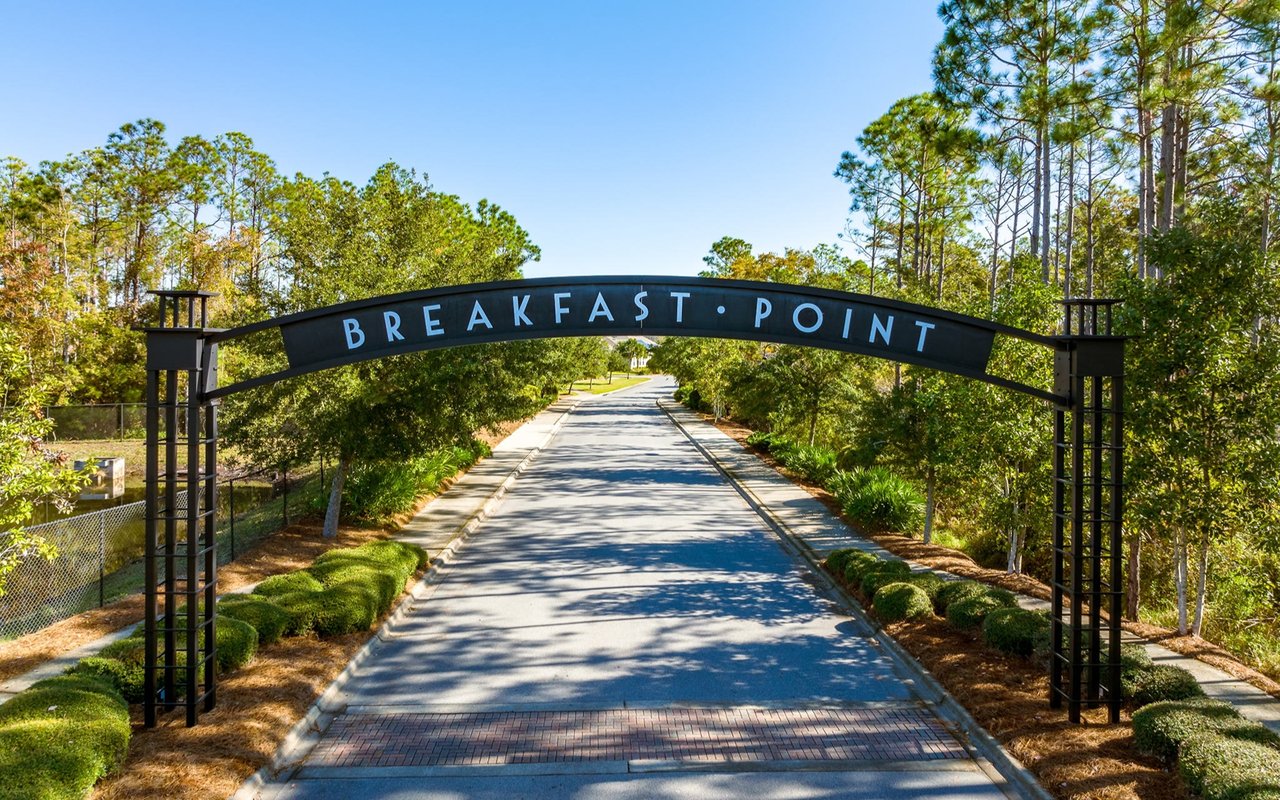
RiverCamps is unusual in Bay County because a large share of its inventory has always been raw homesites. The community was platted for fewer than 450 homesites across 500 acres, with 1,000 acres held in conservation, and a meaningful share of those lots have never been built on. That mix is why the portal median looks soft.
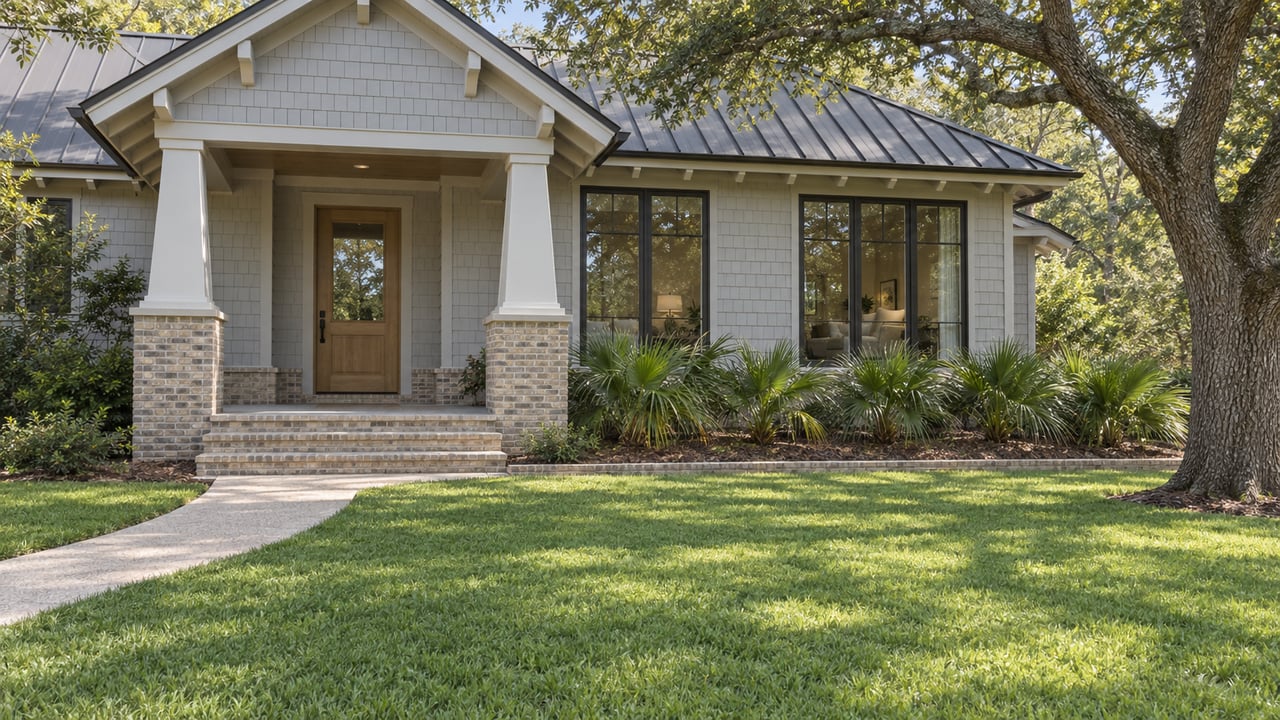
The built-home market tells a different story. Resale homes in RiverCamps typically range from the mid-$600s to over $1 million, depending on size, location, and finishes, and as of the June 24, 2026 MLS pull, average days on market sat at 50, average price per square foot at $419, and average property age at three years.
Two numbers, one neighborhood, very different implications:
| What you're buying | Typical price band (2026) | What that tells you |
|---|---|---|
| Vacant homesite | ~$99k starting, median near $270k | Slow-turn inventory; you are buying optionality on the community, not shelter |
| Built resale home | Mid-$600s to $1M+ | Turnkey stock is thin, relatively new, and priced closer to what near-beach single-family costs |
| Waterfront lot (Crooked Creek, West Bay, or pond frontage) | Premium over interior | Scarcity play against the 1,000-acre conservation buffer |
If you saw the median and expected a $270k house, RiverCamps is not the market you thought it was. If you saw the median and mentally added a construction budget, the built comps are the honest ceiling to check against.
What the HOA quietly includes
The dues at RiverCamps run roughly $685 per quarter, covering security, landscaping, amenity upkeep, and access to all community facilities. On paper that is a mid-tier coastal HOA figure. The mechanism worth understanding is what "all community facilities" means here, because the answer changes the math versus a comparable near-beach condo or a home on acreage elsewhere in Bay County.
Boat storage and launch access are the ones to price out. Owners can launch and store their boat from the community with no extra fees, and the on-site infrastructure includes an on-site boat ramp with access to Crooked Creek, West Bay and ultimately the Gulf. In most of Bay County, if you own a boat and do not have deep-water frontage, you are paying somewhere between a few hundred and a few thousand dollars a year for dry storage plus fuel and time to a public ramp. Inside RiverCamps, that line item is folded into the quarterly dues.
Beyond boats, the RiverHouse anchors the community with a newly rebuilt pool, pavilion, library, and kitchen, and the trail network stretches seven miles of interconnected trails and boardwalks. Fitness, pickleball, playground, and day-use docks sit on the same dues line. None of that is exotic. What is unusual is the boat-access bundle, and it is the single largest carrying-cost item most buyers forget to price into a comparison shop.
The rental rule that filters the buyer pool
If you are underwriting RiverCamps as an income property, stop and read this next line carefully. Short-term vacation rentals are not permitted; the policy is intended to maintain a quiet, residential atmosphere for full-time residents and second-home owners.
That single sentence rewrites the investor math. In the Panama City Beach condo market, a chunk of the buyer pool is running weekly-rental spreadsheets. Inside RiverCamps, that buyer type is filtered out at the gate. The people you end up next door to are primary-residence owners and long-hold second-home owners. That is either a feature or a bug depending on why you are buying.
For a buyer, it means three practical things:
- Cash-flow-based valuation models do not apply. You are pricing lifestyle and long-hold appreciation, not gross rental yield.
- The comp set for resale is thinner than a rental-eligible community because turnover is lower.
- Neighborhood quiet is a real, contractual asset, not marketing language. If you value that, it has a price you are already paying inside the dues and the CC&Rs.
For a seller inside the community, the same rule cuts the other direction. You will not attract offers from the STR-yield crowd. Your buyer looks like you did.
Why what happens outside the gate now matters more each quarter
RiverCamps was built as a low-density preserve, and for years its immediate surroundings matched. That is changing quickly, and the change is the strongest tailwind under a RiverCamps built-home valuation.
Two miles up State Road 79, Latitude Margaritaville Watersound has closed on nearly 2,400 homes with about 208 under construction. What was originally announced as a 3,500-home first phase will now finish closer to 3,700, and a second development area of another 3,500 homes is already in planning. That is a 55-plus community, not a competing product for RiverCamps buyers, but it is a rooftop base that pulls retail with it.
The retail is arriving. St. Joe is developing Watersound West Bay Center as an approximately 500,000 square feet of retail, dining and commercial space in an open-air layout, anchored by a 50,000 square foot Publix with pharmacy, deli, bakery, and an adjacent Publix Liquor store. An approximately 18,000-square-foot standalone multi-tenant building was nearing completion with spaces anticipated for occupancy in early 2026. In February 2026, St. Joe also broke ground on a third Watersound Real Estate sales center at Watersound West Bay Center, which tells you the developer is committing operational infrastructure to the corridor, not just retail pads.
Here is the interpretation for a RiverCamps buyer. The corridor immediately north is densifying on a scale RiverCamps itself never will, because RiverCamps is capped by its own plat. As grocery, medical, and daily-service retail arrive at the SR 79 entrance, the short drive from RiverCamps to a full errand stop shrinks from a twenty-minute run to a five-minute one. Convenience improves without RiverCamps' own density changing. That is a rare combination, and it is the substance behind "low-density holdout in a growing corridor" as a valuation story.
Build, buy, or hold the lot
One structural quirk to know before you write an offer. On lot purchases, there is no build-out time requirement once you purchase. Land banking inside the gates is permitted. That is why lot inventory sits, and it is why the "median" stays anchored to raw dirt.
For a buyer, that produces three defensible paths:
- Buy a built resale. Fastest path in. Pay the mid-$600s to $1M+ price, verify HOA standing, and inherit whatever build quality the prior owner chose. This is the right move for anyone whose timeline is measured in months.
- Buy a lot and build. Longer path, more control, and you avoid competing for the thin resale supply. Expect design and permitting to add real calendar time before you break ground. Budget conservatively; coastal build costs have not eased.
- Buy a lot to hold. Because there is no build-out requirement, you can carry a homesite while the SR 79 corridor matures around you. Whether that pencils out depends on your carrying cost, opportunity cost of the capital, and how long you are willing to wait.
None of those paths is objectively better. They answer different questions.
A few questions worth asking before you offer
Is the HOA fee likely to move? The current figure is approximately $685 per quarter, subject to change. Ask for the current budget, reserve study status, and the last three years of dues history before you get emotionally attached to a listing.
What is the flood zone on a specific lot? Lot-by-lot flood designation varies inside the community. Some parcels sit at least partially in Flood Zone X. That is the kind of detail that surfaces in the inspection window if you skip it up front, and it directly changes your insurance quote.
How much does the STR ban actually protect quiet? The rule is on the books. Enforcement lives with the HOA. Ask specifically how violations are handled and whether any variances have been granted. A rule is only worth what its enforcement record is worth.
Does "waterfront" mean what I think it means? Inside RiverCamps, waterfront can mean bay frontage, creek frontage, or pond frontage, and each carries a different use case and price. A pond-front lot is not a boat-launch lot. Read the plat, not the listing headline.
The honest summary is this. RiverCamps is not priced by its median. It is priced by what a built home costs, what the HOA quietly bundles, who the rules let in as a neighbor, and what is happening to the corridor around it. If you are weighing it against a beach condo or a lot on unrestricted acreage, run the comparison on those four axes, not on the portal headline.
If you want a candid walk through those numbers on a specific address, or a read on how a particular lot compares to a built resale a mile away inside the gates, Brittany Moon and The Real Experts Group work these Bay and Gulf County markets every week. Let's talk about your buying, selling, or investing goals.