Two buyers landed in my inbox within the same week last month, both shopping in the $600,000s. One had a builder contract for a quick-move-in home in Breakfast Point East. The other had an offer drafted on a three-bedroom house built in the late 1990s a few miles away. On paper the two homes looked close: similar square footage, similar lot size, similar list price. Then the insurance quotes came back, and the gap between them was wide enough to change what each buyer could actually qualify to borrow.
That gap was not a fluke. It is the visible edge of a much bigger shift happening in Bay County's insurance market right now, and it is the main reason a price-per-square-foot comparison between new construction and resale in Panama City Beach tells you less than you think.
The Comparison Everyone Runs, and Where It Stops
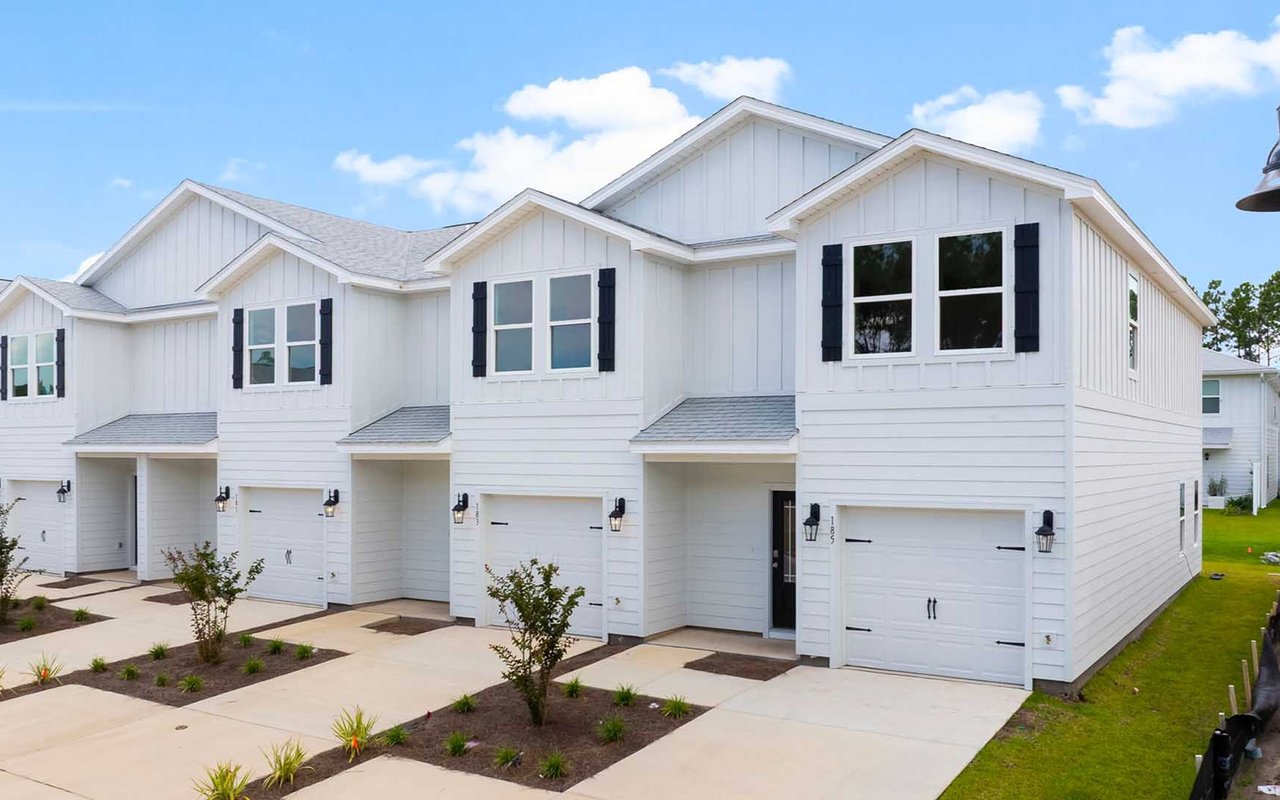
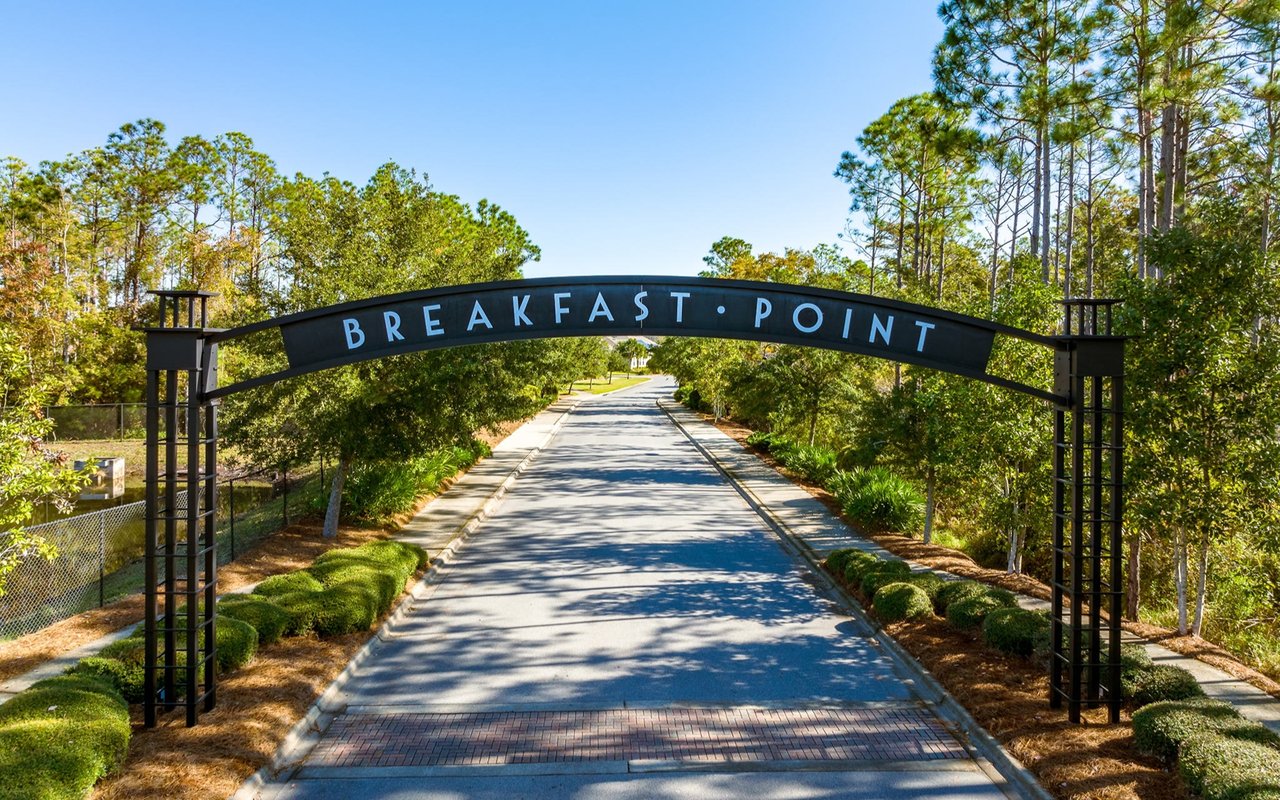
Custom builds along the Panama City Beach corridor typically run $200 to $400 per square foot for standard coastal finishes, climbing past $400 for higher-end engineering. Production communities land lower. Quick-move-in homes in Breakfast Point East have recently priced from the high $400,000s into the low $600,000s depending on the plan, and Toll Brothers' inventory homes at Breakwater at Ward Creek have shown up in a similar range. Set either against a resale home of comparable size in an established PCB neighborhood built two or three decades ago, and the sticker prices often land close enough that buyers pick whichever number is lower and move on.
That comparison stops at the closing table. It does not account for what happens at the first insurance renewal, and that is exactly where new construction and resale start pulling apart in Bay County.
The Insurance Market Is Already Voting
Carriers do not wait for buyers to notice which homes cost less to insure. They reprice their own exposure constantly, and Bay County is one of the clearer examples in the state of that repricing happening in real time. Citizens Property Insurance Corporation, the state-backed insurer that exists to cover Florida homes the private market will not touch, held 6,502 personal residential policies in Bay County at the end of 2024, representing about $1.87 billion in exposure. By June 30, 2026, that had fallen to 1,796 policies and roughly $400 million in exposure, based on Citizens' own county-level reporting. That is a decline of about seven out of every ten policies in eighteen months.
A policy count falling that fast in that short a window means private carriers are actively re-entering Bay County and taking back the homes Citizens used to insure. They are not taking every home back at the same rate. Carriers competing to re-enter a market after a hard insurance cycle go first for the properties that cost the least to insure, and in Florida that calculation runs almost entirely through one mechanism: wind mitigation credits.
How the Credit Actually Gets Priced
Florida law requires every carrier writing property insurance in the state to apply documented discounts for wind-resistant construction features, under Florida Statute 627.0629. This is not a courtesy program. Once a licensed inspector verifies a qualifying feature on the standardized statewide form, the carrier has to apply the corresponding credit to the windstorm portion of the premium.
That windstorm portion is the number that matters most on the coast. Agencies specializing in Walton, Okaloosa, and Bay County coverage report that wind typically makes up 30 to 70 percent of a coastal home's total premium, so the credits attached to it move a meaningful share of the bill, not a rounding error.
Progressive says homes built after March 1, 2002 automatically qualify for baseline code credits with most carriers. Builders working in Breakfast Point East, the Ward Creek corridor (Breakwater, Salt Grass, Bayside), Seagate at Clara, and Latitude Margaritaville Watersound are delivering homes.
A resale home built before 2002 does not get that automatic baseline. It can still capture meaningful credits if a prior owner did the retrofit work, but only if that paperwork exists and is current.
| Build era | Baseline wind credit | What actually determines the discount |
|---|---|---|
| Pre-2002 resale | None automatic | A current wind mitigation inspection documenting retrofits like impact windows or a reinforced roof deck |
| 2002 to current code resale | Automatic baseline | Whether the inspection report on file is less than five years old |
| New construction to current code | Automatic baseline | Still benefits from a fresh inspection to document extras like impact glass or secondary water resistance |
The paperwork itself just changed too. The Florida Office of Insurance Regulation says the state revised the Uniform Mitigation Verification Inspection Form, OIR-B1-1802, effective April 1, 2026. Reports stay valid for five years from the inspection date regardless of which version of the form was used, so a resale seller's existing report does not become invalid just because the form was updated. What it does mean is that any report near the five-year mark, or one written before recent code cycles, is worth confirming rather than assuming still holds.
What This Looks Like When You're Comparing Two Actual Houses
Go back to the two buyers from the top of this post, now armed with real numbers instead of a builder's price sheet or a resale listing price. The Breakfast Point East buyer is starting from a home built to current code in a community where D.R. Horton, Fischer Homes, and Harris Doyle are all building to the same baseline. That buyer still books a wind mitigation inspection at closing, since it is inexpensive and documents credits beyond the automatic baseline, features like a fully protected opening system that most builders already include on Gulf-adjacent lots.
The resale buyer needs one more document before any comparison means anything: the seller's current wind mitigation report, and its inspection date. If the home was built in 1997 and never had retrofit work done, that buyer is pricing insurance against the same shrinking pool of coverage for older, unmitigated stock that Citizens has been exiting in Bay County. If the home was built in 2004 and carries a report less than five years old, the report is likely still valid, and the gap to new construction narrows considerably.
That is the part a price-per-square-foot comparison never surfaces. Two homes priced identically in the same city can carry a different real cost of ownership depending entirely on whether one seller has a current wind mitigation report and the other does not.
Resale prices across Panama City Beach have run roughly flat to slightly softer over the past year, with close to eight months of supply on the market, so buyers currently have room to ask sellers for that report before writing an offer instead of finding out after. Use the time while it is available.
FAQ
Does a brand-new home still need a wind mitigation inspection if it already meets current code? Yes. Meeting current code secures the automatic baseline credit, but the inspection documents extras like impact-rated openings or secondary water resistance so the carrier applies the fuller discount rather than the minimum.
What happens if a resale home's wind mitigation report is more than five years old? The report expires for credit purposes. The physical features on the house have not changed.
If you're weighing a builder contract in Panama City Beach against a resale listing and want the real insurance numbers before you write an offer, not after, let's talk about your buying, selling, or investing goals. Reach out through Sean Casilli and we'll walk through the wind mitigation question on both sides before it becomes a closing-day surprise.
This article is general information, not legal, tax or financial advice. Consult a qualified professional about your situation.